
Built for short-form video
Score your short-form video against platform best practices.
Upload a clip, pick where it will run, and get a clear scorecard — what's working, what isn't, and the exact edits to make next.
No card needed
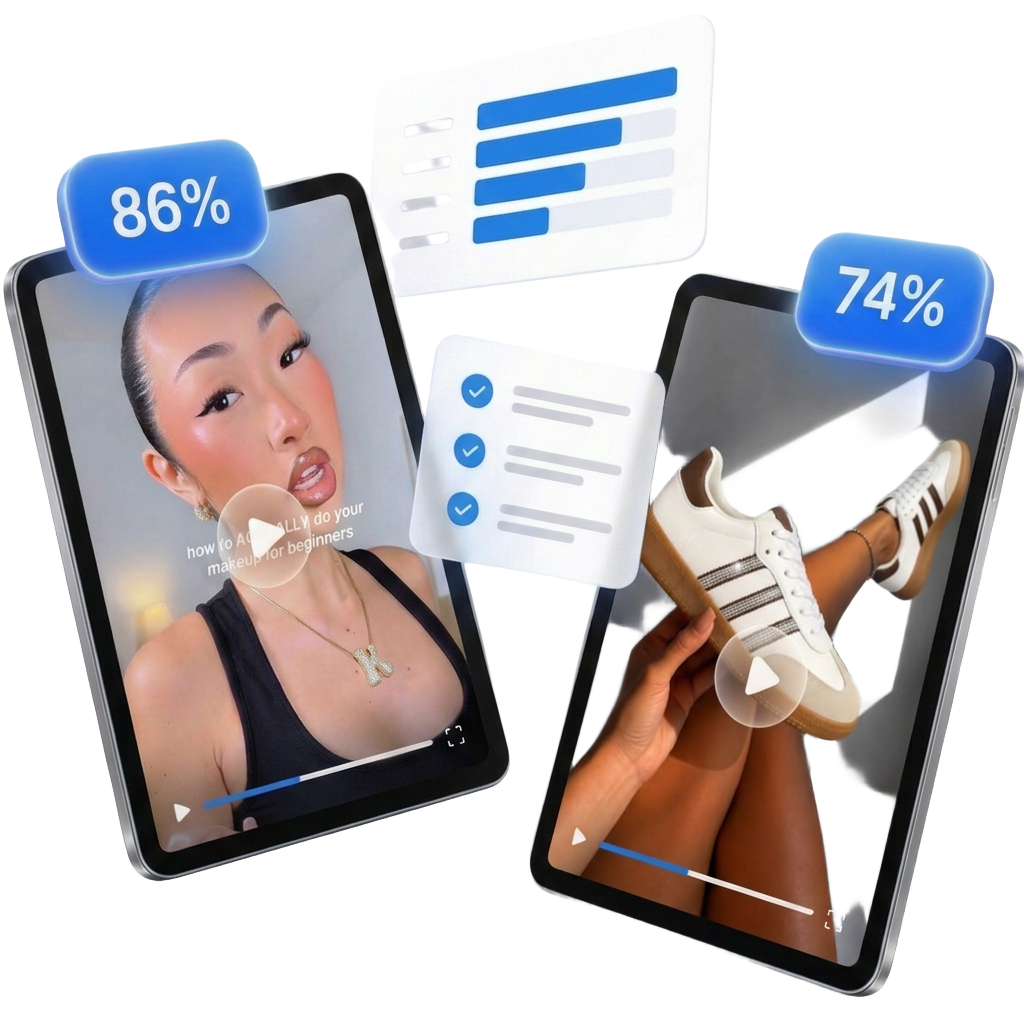
Score any short-form ad against 20 best-practice criteria, from first second to final cut.
Loved by creators, brands and agencies
Built for everyone who ships video.
Creators
Know what to fix before you post — in minutes, not rounds of feedback.
Brands
Hold every cut to one consistent best-practice standard.
Performance marketers
Prioritise testable edits ranked by creative impact.
Agencies
Share clear, evidence-led scorecards with clients.
Built for short-form
Made for the vertical feed.
Optiq reviews clips made for short-form placements — the feeds where a few seconds decide whether anyone keeps watching. Here's what the rubric checks on length for each one.
Reels / Stories
Test a concise cut and a fuller story when needed. Do not assume the shortest cut wins.
Reels / Stories
Choose length for message and objective; include a short cut where useful.
Threads
Feed video
Test concise and explanatory cuts against the intended response.
TikTok
In-feed / Spark video
Those opening timings are TikTok guidance, not a universal attention law or ideal total length.
YouTube
Shorts
Test length appropriate to the proposition. Organic Shorts rules and paid ad eligibility differ.
Snapchat
Single video / Story / Sponsored Snap
Test short versions. Legacy 5-6s guidance is a starting point; current formats have different limits.
Standard-width video
Pinterest recommends 6-15s video ads; test longer demonstrations when justified.
X
Vertical video
Test a concise version and enough time to deliver the promise.
Length notes are quoted from the rubric's research snapshot. Placement rules change, so check the current standard for the placement you're booking.
Why it matters
Creative is 75% of the outcome.
Budgets, bidding and targeting get tuned constantly. The creative is the part people actually see — and it does most of the work.
75%
of an e-commerce ad's effectiveness comes from the creative.
Industry figure supplied for this page. Optiq never calculates it from your video.
High-quality visuals
Strong visuals and compelling copy are the key to driving engagement and conversions.
Copy that earns the click
Engaging headlines, strong calls to action and visible social proof combine into ad copy that grabs attention and encourages action.
Creator and UGC content
Creator content and influencer collaborations are increasingly popular because they make campaigns feel more authentic and engaging.
Real customer voices
Featuring real testimonials and social proof makes ads feel trustworthy. Buyers who see real experiences are more likely to engage and convert.
A sense of community
Beyond credibility, user-generated content builds a sense of community around your brand, making it more relatable to new customers.
USPs in their language
Present your USPs against your audience's actual needs and you get ads that drive sales and build long-term customer relationships.
Optiq reviews your cut against the creative checks behind all of this — 20 timestamped criteria across 6 pillars, so you know exactly which one to fix next.
No card needed
What your scorecard shows
A clear picture of the creative, not a black box.
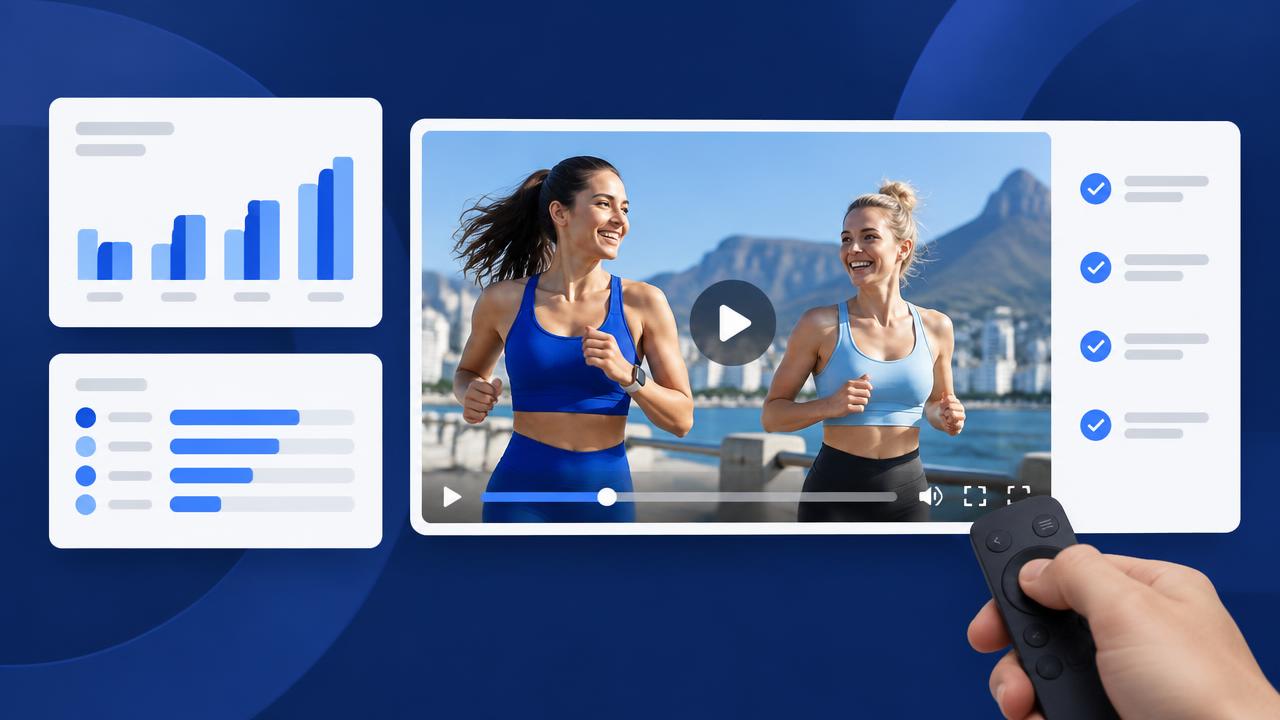
- Creative score out of 100 — Weighted across 6 pillars and 20 criteria.
- Pillar breakdown — Where the creative is strong, and where it loses points.
- What's working — Specific moments from your video, with timestamps.
- Prioritised edits — 28 feature definitions behind concrete, testable fixes.
Weights and bands are proposed editorial policy, shown openly. The quality score is never a predicted CTR or conversion rate.
1
Observe
What is actually present in this version? Every observation has a timestamp, source, coverage and confidence basis.
2
Assess
How well does the execution serve this audience, objective and placement? 0–4 anchors, criterion weights, critical floors.
3
Act
Fix, Verify, Improve, Keep and Test cards ranked by creative impact — never by the biggest percentage.
By the numbers
1,000+
videos reviewed
50+
creators, brands and agencies
+65%
uplift
What we check
6 pillars. 20 checks. One clear score.
Every review follows the same published rubric, weighted to your objective across 5 profiles.
Attention & relevance
3 checks- · Audience & moment
- · First-frame impact
- · Hook & earned curiosity
Brand & memory
3 checks- · Brand recognition
- · Distinctive brand assets
- · Brand-linked emotion
Value & proof
4 checks- · Single-minded benefit
- · Product or service in use
- · Proof & credibility
Story & experience
3 checks- · Narrative & payoff
- · Pacing & duration
- · Audio & voice
Action & journey
3 checks- · Clear next step
- · Motivation to respond
- · Journey continuity
Placement & access
4 checks- · Placement composition
- · Text legibility
- · Captions & silent meaning
Short-form placements
Same idea. Different placement.
Guidance for 16 placements across 11 platforms, backed by 34 research sources.